WebMCP: The New Web 4.0
Web 4.0 is no longer just clicked through. It is negotiated, structured, and executed by agents. WebMCP is the layer that enables that shift.
Executive summary
WebMCP turns a visual website into an agent-readable operating surface. That changes how commerce is discovered, evaluated, and executed.
Published
2026-02-25
Updated: 2026-04-04
7 min
Author
MCP Editorial Team
Editorial and research desk
The editorial team at Trusteed covers agentic commerce, WebMCP adoption, and practical implementation patterns for merchants and platforms.
View profileCategory
WebMCP
For years you learned to browse with menus, forms, search engines, and carts. Web 4.0 changes that pattern. You do not just browse it anymore. You converse with it. The protocol behind that shift is WebMCP.
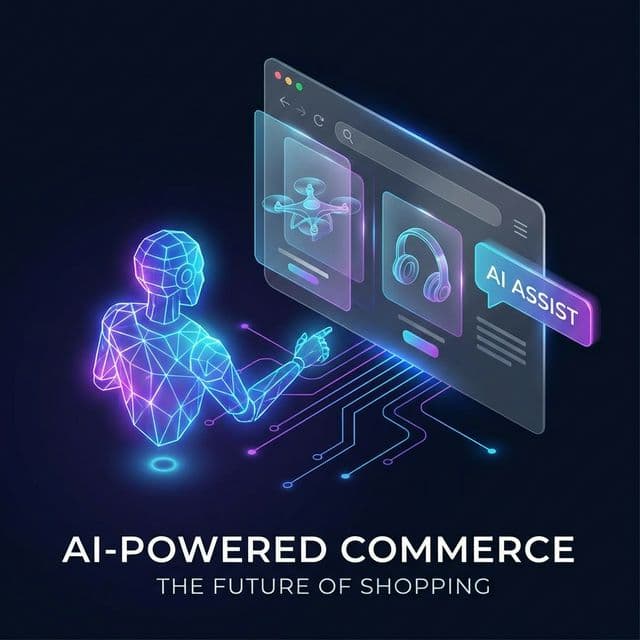
The problem: the internet was built for humans, not for intelligent assistants
Buying online is still a manual workflow: search, compare, read, fill, confirm. The web was optimized for human interface patterns, not for machine-readable execution.
Competent agents can search, compare, negotiate, and buy. What the market lacked was a standard way for websites to expose actions and structured context.
What WebMCP is without jargon
WebMCP is a communication layer that lets websites expose capabilities AI agents can understand. It does not replace your website. It makes it interoperable.
- 1Before: the user spoke to the website through clicks and forms.
- 2Now: the agent speaks to the website through structured data and available actions.
- 3Outcome: less friction, more delegation, and executable intent.
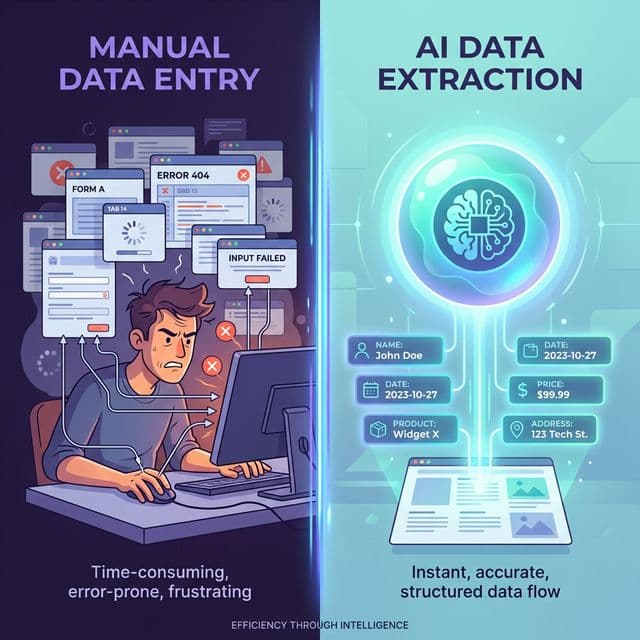
Why it changes navigation
From searching to asking. Instead of opening ten tabs, the user states intent and the agent executes the operational search.
From filling forms to delegating preferences. The agent already holds context, constraints, and user criteria.
From storefronts to programmable services. The website stops being only visual and becomes executable.
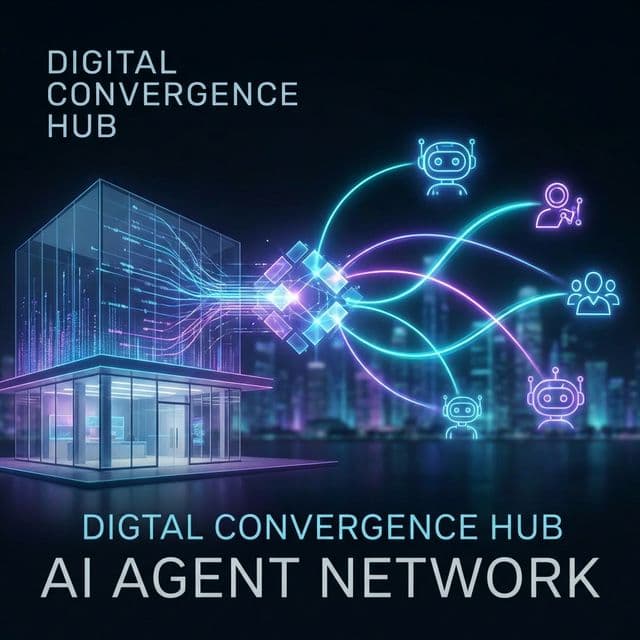
What this means for users and businesses
Users gain time and clarity. Businesses gain or lose operational visibility: if an agent cannot read and act on your offer, you drop out of automated decision flows.
The next frontier is not only ranking in results. It is becoming executable inside an agent's decision workflow.
Conclusion
Every major internet shift rewards the teams that adapt their operating surface early. WebMCP is the foundation for the next shift in commerce and discovery.
Frequently asked questions
Does WebMCP replace a traditional storefront?
No. WebMCP adds a structured layer that AI agents can understand while the visual storefront still serves human visitors.
Why does WebMCP matter for ecommerce?
Because it allows assistants and agents to include your catalog in automated search, comparison, and buying flows.
Sources and references
- Model Context Protocol
Anthropic
- MCPWebStore outlook
Trusteed
Related articles
Agentic Commerce
Agentic Commerce: The Practical Guide for E-commerce Teams
A business-first guide to understanding what changes in discovery, trust, checkout, and operations when AI agents start influencing purchases.
Agentic Commerce
The start of the agentic commerce era
Ecommerce is entering a phase where agents move beyond assistance and start comparing, selecting, and purchasing within explicit constraints.
developer-tools
MCP vs Traditional API: What Changes for E-commerce
A practical comparison of what changes when an e-commerce stack must be interpreted and used by AI agents, not only by developers.